
News
SINO-FOUNDRY—professional refractory manufacturer
Understanding Coil Cement: Its Role in Non-Ferrous Metal Applications
2026-01-20
Coil cement, a specialized adhesive material, plays a critical role in various applications within the non-ferrous metal industries, particularly in the context of copper materials. This substance is engineered to provide strong bonding properties, essential for ensuring the integrity and performance of metal components in demanding environments. Understanding the characteristics and applications
One of the primary functions of coil cement is to facilitate the assembly of copper components. It is used in applications where metals must be bonded securely to withstand thermal and mechanical stresses. Copper, being a ductile and malleable material, benefits from the use of coil cement, as it allows for flexibility in design while ensuring that the joints remain robust over time.
In terms of properties, coil cement is typically formulated to have high thermal resistance and excellent adhesion capabilities. These characteristics ensure that the bond between copper components remains intact even when exposed to fluctuating temperatures and environmental conditions. The cement often features resistance to corrosion, which is particularly important in industries where copper is frequently exposed to various chemicals.
When working with coil cement, it is essential to consider the application process carefully. Proper surface preparation, including cleaning and possibly roughening the surfaces to be bonded, can significantly enhance the effectiveness of the cement. Additionally, applying the appropriate amount of coil cement is necessary to achieve optimal bonding without excessive overflow, which could lead to material waste and potential inefficiencies.
Furthermore, professionals should be aware of the curing process associated with coil cement. Depending on the specific formulation, curing times can vary, and understanding this aspect can help in planning the assembly processes more effectively. Factors such as humidity and temperature can also influence the curing time, so monitoring these conditions can lead to better outcomes.
Lastly, as the industry continues to evolve, advancements in coil cement technology are likely to emerge, providing even more efficient bonding solutions for copper materials. Staying abreast of these developments is crucial for professionals aiming to maintain a competitive edge in the metallurgy and energy sectors.
In summary, coil cement serves as an invaluable tool in the non-ferrous metal industry, particularly for copper applications. By understanding its properties, application techniques, and the importance of proper curing, professionals can leverage coil cement to enhance their projects and ensure the longevity and strength of their metal assemblies.
Related News
2024-11-05
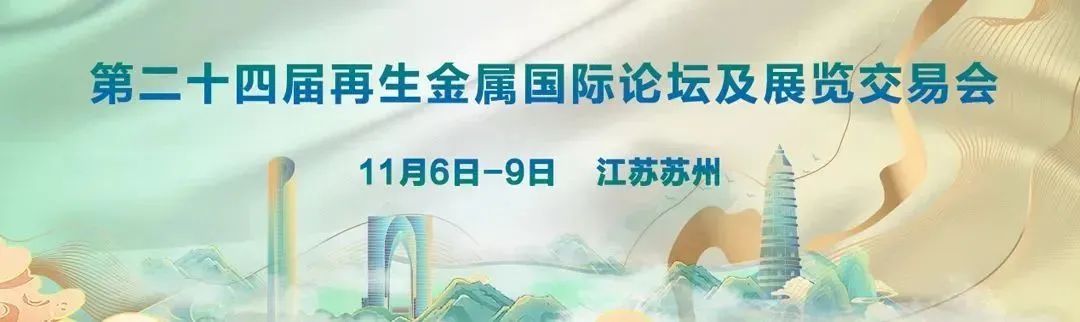
Zhongzhu New Materials Industry sincerely invites you to participate in the 24th International Forum and Exhibition on Recycled Metals.

WeChat public account

View mobile website
Address : No. 99, Yiqing Road, Gaozi Street, EconomicDevelopment Zone, Dantu District, Zhenjiang City
Fax : +86-511-85683066
E-mail : sales@sfr168.com
Website : https://www.sfr168.com
Copyright©2023 Sino-Foundry Refractory(Jiangsu) Co.,Ltd. Powered by:www.300.cn
Copyright©2023 Sino-Foundry Refractory(Jiangsu) Co.,Ltd.
IPV6 | SEO | Cloud Information